Summit
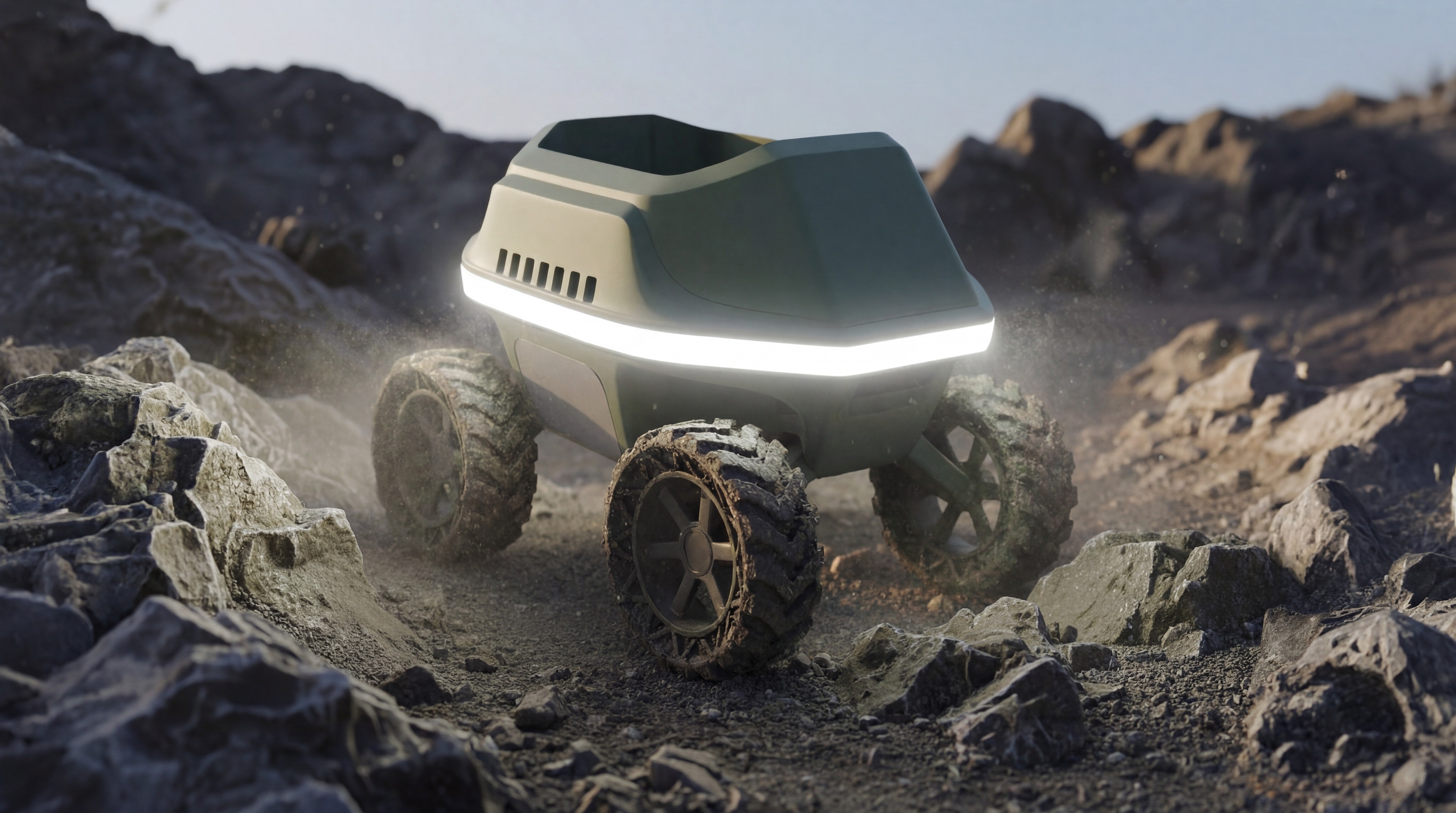
Outdoor Autonomous Carry & Guide Companion. Winner, Red Dot Award: Design Concept 2026.
Role
Industrial Designer
Industry
Outdoor Activity, Robotics
Duration
5 months
Status
Concept · Prototype in development





Stage 1. Expedition Friction Audit
Conducted field observations across multi-day backpacking trips, trailhead deployment, and campsite transitions. Documented user fatigue over extended distances, energy limitations during off-grid travel, and the repeated strain of managing heavy gear across uneven terrain. Existing solutions—backpacks, sleds, pack animals, and hand carts—fail to address long-duration expeditions where energy, load, and terrain compound over time. Users consistently encounter a critical limitation: carrying capacity and power availability plateau long before the journey ends. This audit revealed the need for an autonomous system that extends endurance and load capacity without increasing physical strain.
Stage 2. System Behavior & Endurance Strategy
Defined a functional system narrative centered on sustained expedition support:
Deploy → Assist → Sustain.
Summit deploys seamlessly at the trailhead, supports the user through low-speed autonomous following and load carrying, and sustains multi-day travel through integrated energy storage and solar replenishment. Rather than optimizing for speed or terrain dominance, the system prioritizes reliability, predictability, and energy continuity—positioning Summit as expedition infrastructure rather than a vehicle or gadget.
Stage 3. Design Development & Prototype (In Progress)
Hardware & Form:
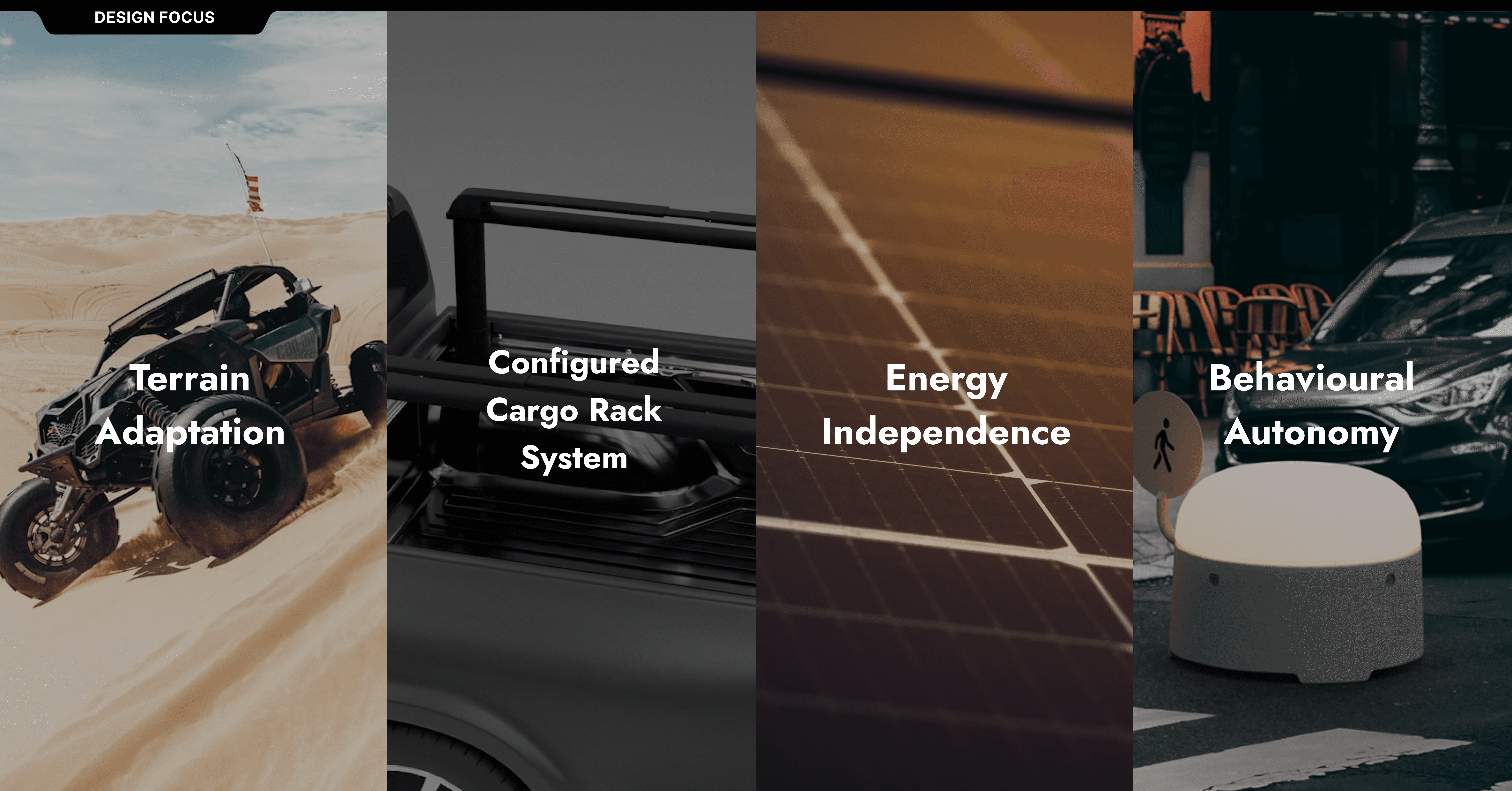
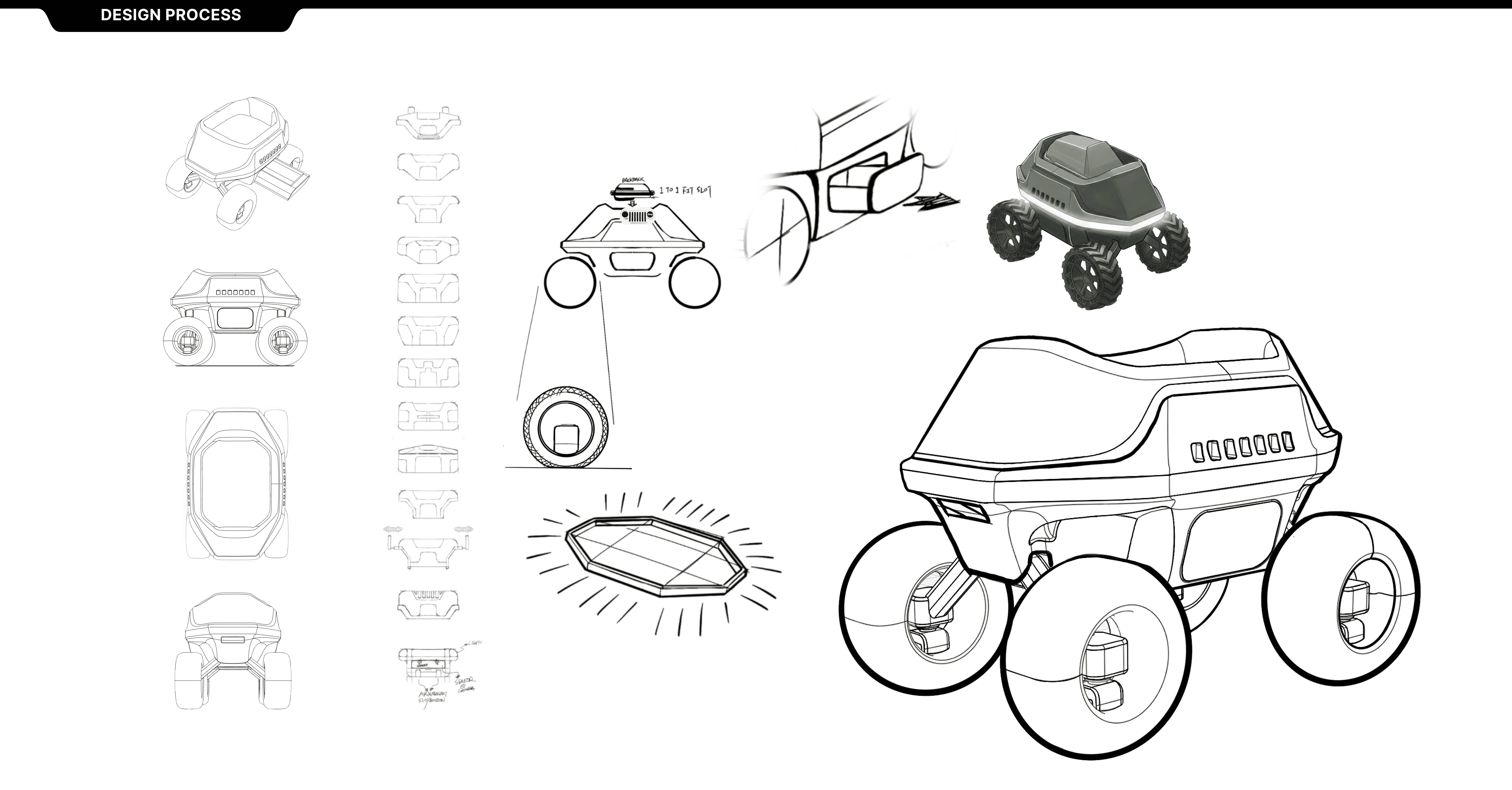
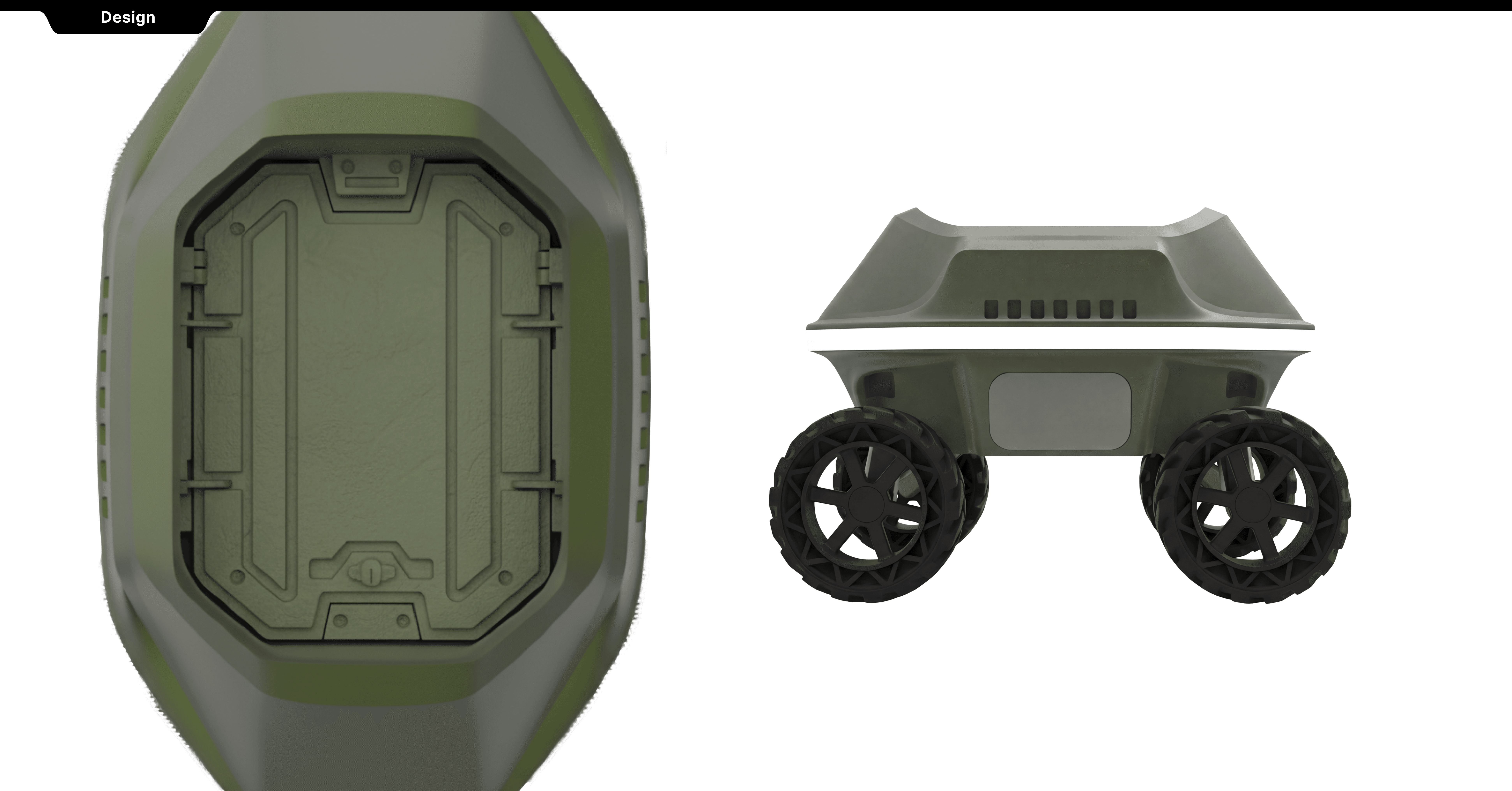
Designed a compact, stable chassis with large-diameter all-terrain wheels for walking-speed travel over dirt paths, roots, gravel, and forest ground. A configurable cargo rack holds varied expedition gear without repacking or rebalancing mid-trip.
Power Architecture:
Designed a modular battery drawer with three high-capacity energy modules, paired with a deployable solar charging system. The energy plan is built so solar harvesting during rest periods can offset daily consumption.
Behavior Design:
Defined follow distance, stop behavior, and a stationary night mode to minimize user attention and environmental disturbance, prioritizing predictable behavior, low noise, and low cognitive load.
Prototype Status:
A physical prototype is now in development, starting with closed-loop following on a test platform. Field testing comes next.

